The Shadow Fleet – Why Vessel Screening is becoming increasingly important
The global sanctions landscape has become increasingly complex. For organisations with exposure to international trade, this means that sanctions risk is no longer solely about which companies or individuals you do business with – it also involves vessels, ownership structures, flag changes and other connections within trade flows.
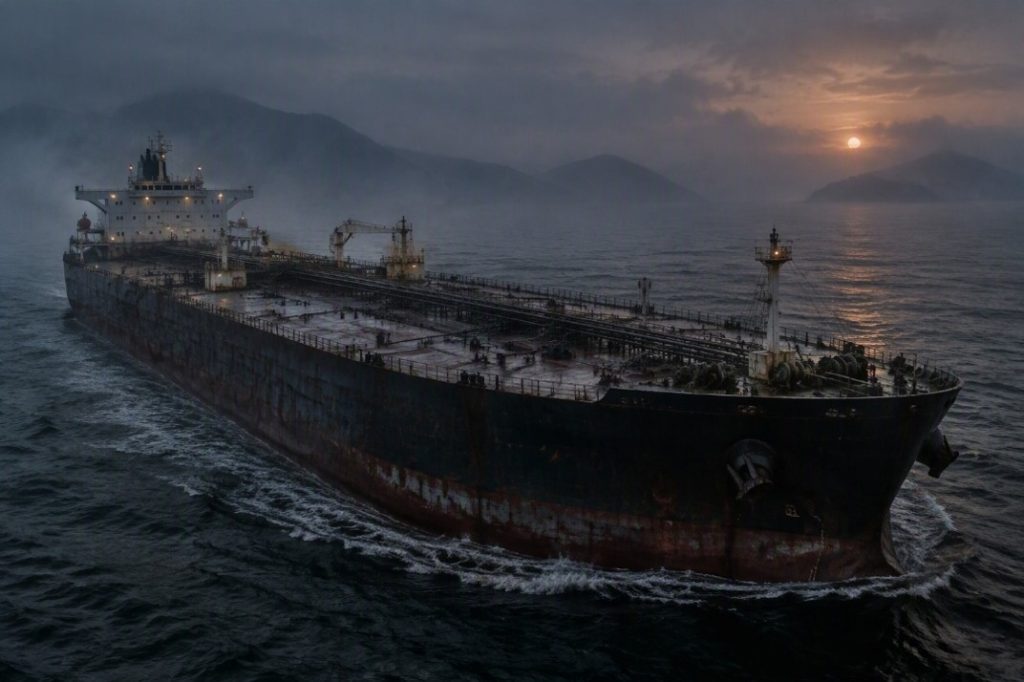
A clear example of this development is the so-called shadow fleet. Vessels can change flag, ownership structure or operator, which can make links to sanctioned actors and high-risk activity harder to identify.
For example, a vessel may be involved in trade with sanctioned goods, transport to high-risk jurisdictions, or be part of networks used to circumvent international sanctions. This makes information about the vessel itself and its connections an important part of the risk assessment.
From KYC to Maritime KYC
Many organisations today have well-established processes for identifying customers, suppliers and beneficial owners. In a global economy, due diligence increasingly needs to cover the vessels and maritime actors involved in trade flows.
For banks, this may involve identifying maritime risks linked to trade finance and customers’ transactions.
- For insurance companies it may involve identifying risks linked to insured vessels or shipments.
- For companies engaged in international trade, it may involve identifying and avoiding exposure to sanctioned actors, vessels or goods flows.
This is where vessel screening becomes a natural part of modern AML, Trade Compliance and Third-Party Risk Management processes.
The IMO Number – a Vessel’s Personal Identification Number
Unlike vessel names, which can change over time, the IMO number follows a vessel throughout its entire lifecycle. This is why the IMO number is often the most reliable identifier when screening vessels.
By integrating IMO searches into the screening process, it becomes easier to identify vessels attempting to conceal their history through name changes or other alterations.
By searching on vessel name or IMO number, users can quickly check whether a vessel appears on relevant sanctions lists.
A growing part of modern compliance
As sanctions regimes evolve and regulators place higher demands on risk-based controls, maritime risks are expected to become increasingly important in many organisations’ compliance work.
In today’s world, effective screening is not only about who you do business with. It is also about how goods, capital and risks move across the world.
To help organisations identify these risks, CM1 offers Vessel Screening as part of its product portfolio.
With CM1 Vessel Screening, organisations can:
- Screen vessel names and IMO numbers against relevant sanctions lists
- Strengthen Trade Compliance, AML and third-party risk management
- Streamline due diligence processes and make more informed decisions
- Document and track controls to meet regulatory requirements
Our ambition with CM1 Vessel Screening is to provide customers with a tool that makes it easier to detect risks early, make safer decisions and strengthen compliance with both AML regulations and trade sanctions.
Same routes. Different flags. Higher risks.
Financial crime and the opportunities to circumvent international sanctions are becoming increasingly sophisticated. For organisations operating internationally, this places higher demands on understanding the full risk picture – from customers and suppliers to the vessels and trade flows that form part of the value chain. Vessel screening is therefore not only a compliance issue, but an important part of making safe and well-informed business decisions.
- Sandra Madstedt, Business Unit Manager, CM1